

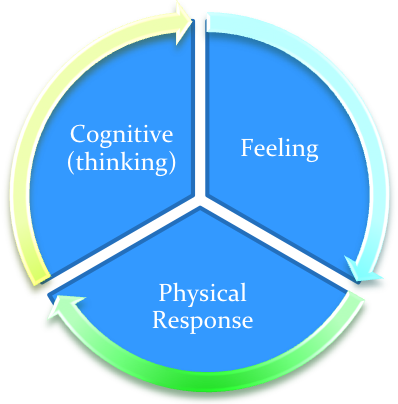
 Fostering knowledgeable, responsible, and caring students and young adults is one of the most urgent 21st century challenges facing schools, families, businesses, employers, and communities. Scientific based research demonstrates empirical evidence that what is needed today in our educational system, in addition to high academic policies and standards, are innovative educational curriculum that provides regular social and emotional learning opportunities within the school system. Social and emotional learning (SEL) provides a proven educational framework that is consistent with and actually enhances current academic programming in schools. The core of SEL programming is the focus on developing in youth the capacity to manage, understand, and express the social and emotional aspects of their lives in positive ways that foster learning and successful management of life’s most important tasks. Developing character education and social-emotional competence is a corner-stone to success in school and in preparing youth for post-secondary education, achieving a family wage career, and meeting the challenges of later life.
The five focal competencies taught and reinforced in successful SEL programming are:
- Self-awareness
- Social awareness
- Self-management
- Relationship skills
- Responsible decision making
 Research demonstrates SEL has positive effects on academic performance, benefits physical health and wellbeing, improves citizenship, is demanded by employers, is essential for lifelong success, and reduces the risk of maladjustment, failed relationships, interpersonal violence, substance abuse, and unhappiness.
 The 180º Program incorporates all five of the core competencies of effective SEL programming and is intended to produce measurable outcomes.
The social and emotional character building and life skills that youth will learn in the 180º Program will enhance their academic ability in the school setting. These skills will help youth successfully navigate the increasingly complex and changing dynamics within academics, health, social relationships and personal citizenship.

Impact of SELs
Contemporary research and studies highlighting the positive impacts and outcomes of SEL programming.
Learn more.
Learn more.

© 2017 | 180 Degrees LLC | All Rights Reserved